
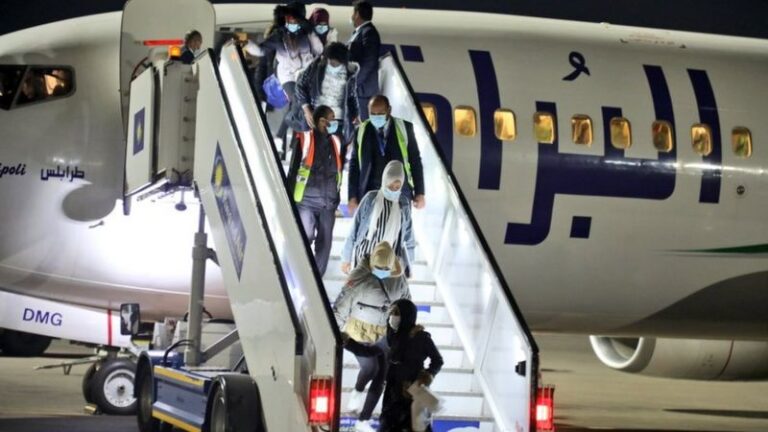
MOGADISHU, Somalia – A Somali minister sparked outrage after describing 16 pregnant girls returned from Libya as a disgrace, triggering accusations he stigmatized abuse survivors.
Information Minister Abdifatah Kasim said the girls were among Somali nationals recently repatriated from Libya to Mogadishu after seeking better lives abroad.
He described their pregnancies as “sharaf daro,” a Somali expression meaning disgrace or dishonor, and urged public awareness to discourage irregular migration.
His remarks drew criticism online, with users saying he blamed vulnerable girls instead of addressing those allegedly responsible for abuse and exploitation.
Faiso Abraham Hassan challenged the minister’s language, saying the girls sought opportunities because Somalia had failed to provide safety, dignity and support.
“What do you mean by ‘sharaf daro’? Please explain,” she wrote, saying the girls deserved support, not shame, after returning from Libya.
She said responsibility for the shame rested with the alleged perpetrators, not the girls, and called for compassion and support for survivors.
Another user online, Fidow, questioned how the girls travelled through Mogadishu airport and called for an investigation into those facilitating their journeys.
Fidow described reports that the girls suffered sexual abuse while detained in Libya as disturbing and urged authorities to explain what happened.
He also raised concerns about the girls’ futures and their children, including questions about citizenship for children born to Somali mothers.
Fidow called on the government to explain what assistance the girls received, who would oversee their care and whether exploiters faced accountability.
The controversy has renewed questions about Somalia’s response to risks facing women and girls who migrate irregularly and encounter exploitation along routes.
Critics say authorities should prioritize protection, medical care and psychological support for girls returning, while investigating the circumstances surrounding their reported abuse.
The case draws attention to the government’s responsibility to protect citizens along migration routes and assist those returning after experiencing exploitation and other abuses.
Smugglers often promise migrants a route to Europe, but some are transferred to hostage-takers in Libya, where families may face ransom demands.
Hundreds of Somalis remain stranded in Libya, where migrants face harsh conditions, violence and uncertainty after leaving home in search of better opportunities.
Many hoped to cross the Mediterranean Sea to Europe but instead became trapped in conditions marked by hunger, fear and repeated abuse.
Traffickers known as “Magafe” intercept migrants in Libya and subject them to torture until relatives pay ransoms, according to accounts from migrants.
Many migrants plead for help returning home, while Somalia’s embassy in Tripoli faces slow and complicated efforts to arrange their repatriation there.