
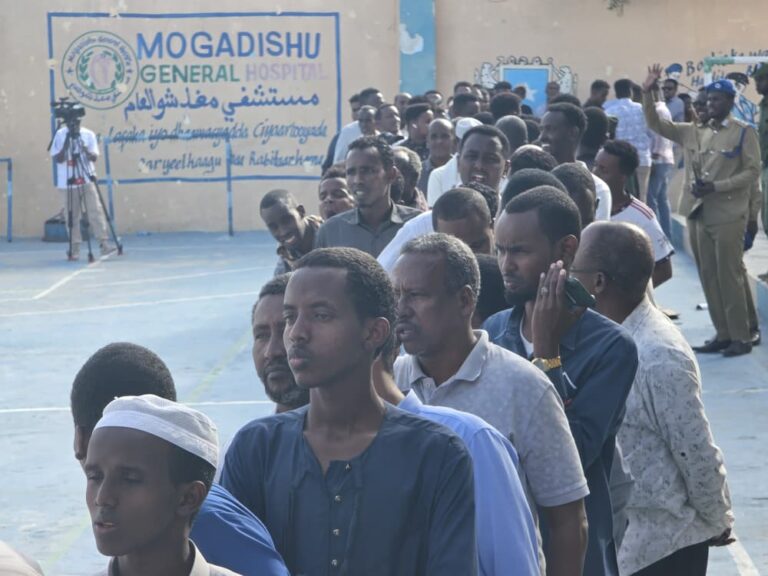
MOGADISHU, Somalia — Before sunrise, Hussein Guelleh stepped out of his home to join a growing line at a polling station in Somalia’s capital, Mogadishu, eager to vote in an election many thought would never happen.
Across Mogadishu on Thursday, voters queued for hours in the city’s first direct local council elections in more than 50 years, a milestone hailed by the government as a step toward democratic renewal but dismissed by opponents as largely symbolic.
“I never believed I would vote like this in my lifetime,” said Guelleh, 55. “For years, leaders were chosen without us. Today, we are here.”
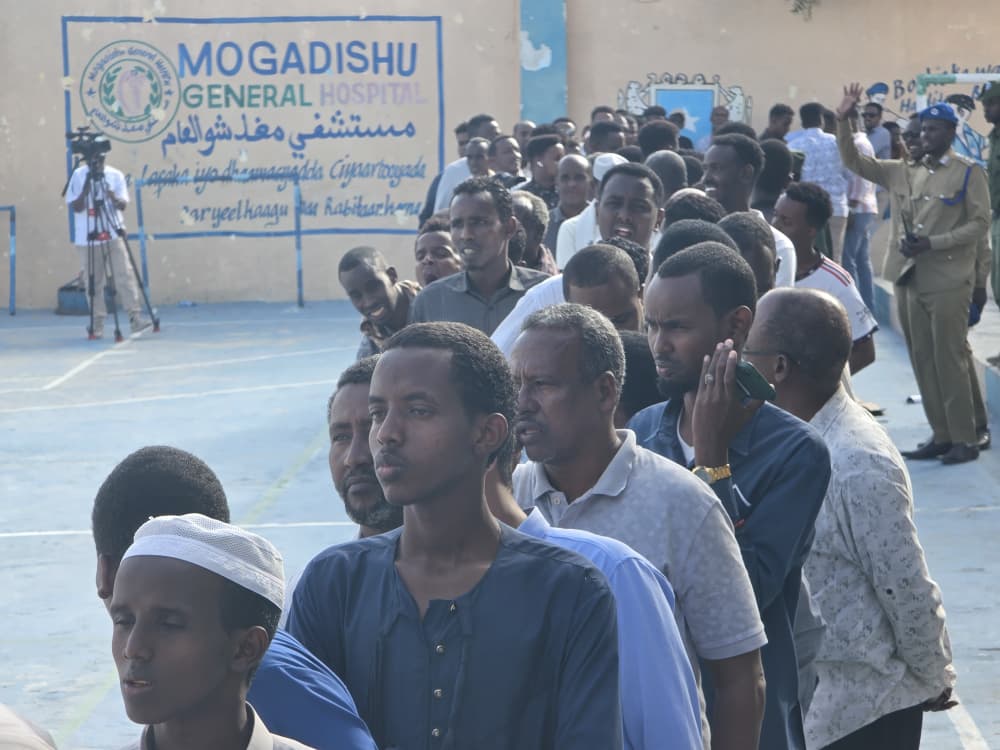
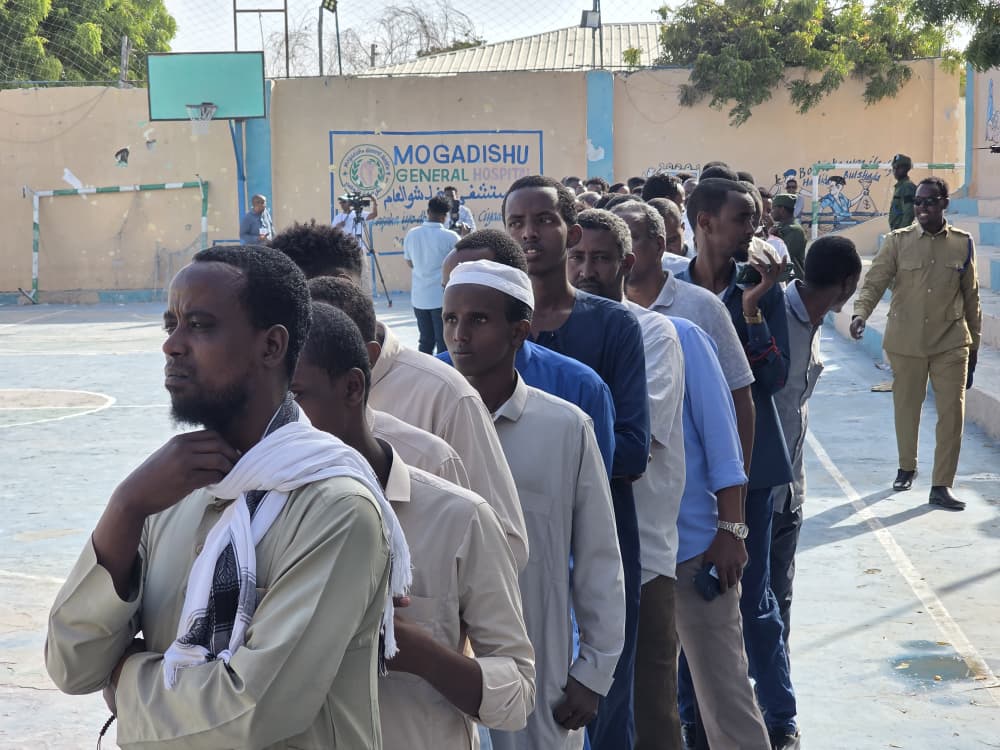
Polling stations opened at 6 a.m. local time under heavy security. Election officials said about 500,000 people registered to vote for 390 district council seats, with more than 1,600 candidates competing at 523 polling centers across the capital.
Authorities deployed nearly 10,000 police officers, imposed a citywide lockdown and suspended flights at Mogadishu’s main airport, underscoring lingering security concerns despite recent improvements in the capital.
President Hassan Sheikh Mohamud described the vote as the start of “a new chapter in the country’s history,” as Somalia attempts to move away from its long-standing clan-based electoral system.
Somalia last held direct elections in 1969, months before a military coup ushered in decades of authoritarian rule. After the collapse of the central government in 1991, the country adopted an indirect system in which clan elders select lawmakers, who then choose the president — a process that has long frustrated ordinary citizens.
For first-time voter Habibo Ali, the long wait and tight security were worth it.
“Even if this is only local government, it matters,” she said after casting her ballot. “It means our voices are starting to count.”
Major opposition figures boycotted the vote, criticizing what they called an exclusionary voter registration process.
Former President Sharif Sheikh Ahmed and former President Mohamed Farmaajo, warned the election could deepen political divisions. The federal states of Puntland and Jubbaland rejected the framework entirely.
Analysts say the Mogadishu vote carries more symbolic than political weight.
“The government controls the capital’s political space, so this was a low-risk move,” said Mahad Wasuge, executive director of the Somali Public Agenda think tank. “But the symbolism matters — both positively and negatively.”
The election comes as Somalia continues to battle the al-Qaida-linked group al-Shabab, which has carried out attacks near the capital despite recent territorial losses. International support remains uncertain, adding to concerns about long-term stability.
Still, as the sun climbed higher and lines slowly moved forward, many voters said the moment itself felt historic.
“We know the problems are not over,” said Osman Mohamed, a university student. “But if we keep waiting for perfect conditions, we will wait forever.”