



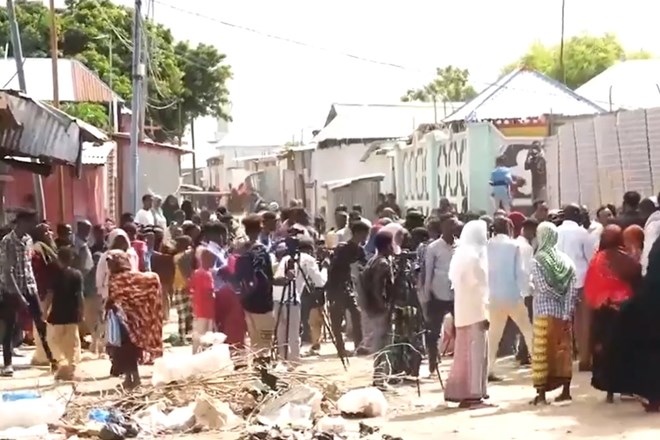
MOGADISHU, Somalia — Dawn breaks over Dab-Damiska as families return, pressing their hands against the towering tin wall that now encloses the land they once called home. The air hums with chants, cries and determination, demanding the return of land they say was unjustly taken last year.
Their struggle reflects a two-year government-led eviction campaign that began after President Hassan Sheikh Mohamud’s 2022 re-election, reshaping Mogadishu and displacing families with little explanation.
Now Sheelaro has joined the list, where even police and soldiers face the threat of losing land after President Mohamud allegedly transferred 600 plots to a single developer, despite pleas from families whose fathers have long served the nation.
Angry residents gathered to block construction on the land they had lost, warning that if the project begins, any hope of reclaiming it would vanish.
“We came back because our hearts never left,” said Farhiya Mohamed, a mother of five forced out during the early phase of the clearance campaign. “You can rebuild a house, but you can’t rebuild the place where your children grew up.”
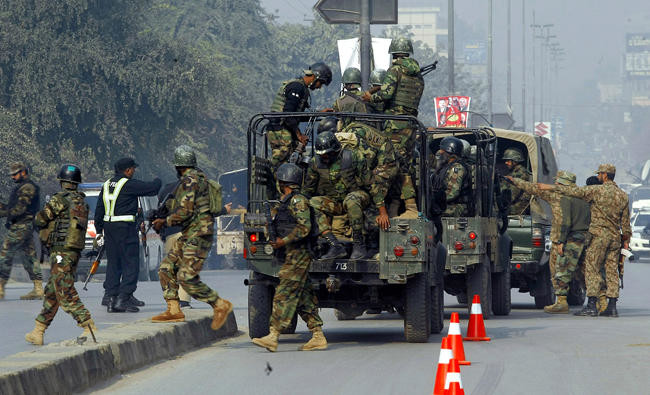
Heavily armed police and soldiers were deployed to Dab-Damiska after hundreds of residents pushed back into the area. Soldiers now guard every road leading into the neighborhood to ensure the project can proceed.
“We were tired of waiting,” said elder Abukar Ali, standing with a wooden walking stick beside him. “If they won’t listen to our words, we will show them our bodies. We will sit here until they remember we exist.”
Residents say the land was quietly transferred to private investors, but officials have not publicly addressed the allegations. In Mogadishu, where land documents are often fragile or disputed, such silence deepens suspicion.
“If it were for a school or hospital, we might accept,” said Asha Abdulle. “But why throw us out for businessmen? It is painful in a way we cannot describe.”
Some families said elders and young men were detained during the clearance sweep. Others described waking to armed troops surrounding their homes.
“They open fire on us. They can even kill us, but we’ll remain here,” said 19-year-old Hawa. “We refused to move. We have nowhere else to go.”
Despite the risks, dozens of families continue returning to Dab-Damiska each morning. The protests change daily—some loud, others quiet—but their determination remains constant.
“We’ve been here for decades and nothing can change that,” Farhiya said. “If they want us gone, they must explain why. We will not simply disappear.”
Land disputes are not new in Mogadishu. But residents say the rapid expansion of eviction zones—from the city center to outer districts, and now into Sheelaro—shows a system willing to displace the powerless to benefit the powerful.
“This is no longer one neighborhood’s problem,” said Abukar. “This is about justice. About whether a Somali citizen has any right to the soil beneath his feet.”
As daylight fades and the tin roof glows in the heat, families debate next steps despite the presence of soldiers.
“We know the soldiers may remain, and evictions may continue across the capital until President Mohamud loses the next election,” Asha said.
But one thing is certain: they are not leaving.
“If we lose this place,” Asha said quietly, “we lose ourselves.”
Names in this story have been changed to protect sources from retaliation.