


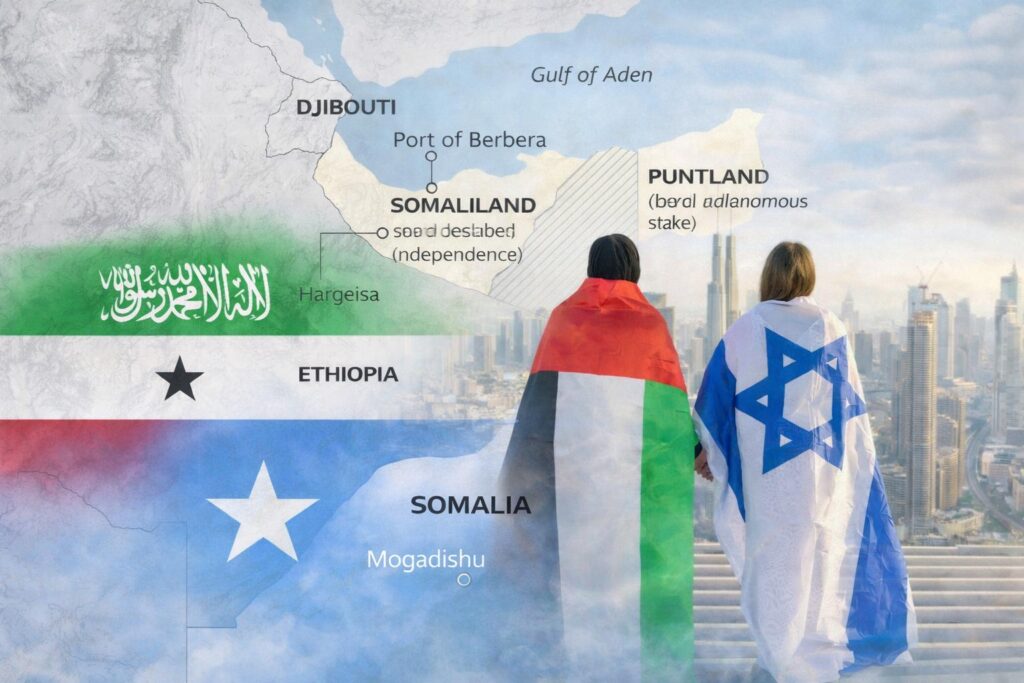
MOGADISHU, Somalia— Somalia is rethinking its relationship with the United Arab Emirates following Israel’s decision to recognize Somaliland, a move Somali officials say violates the country’s sovereignty and risks reshaping alliances across the Horn of Africa.
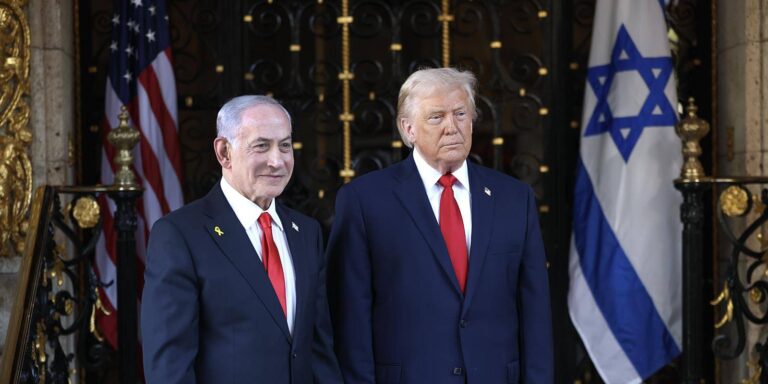
Israeli Prime Minister Benjamin Netanyahu announced on Dec. 25 that Israel would formally recognize the breakaway region in northern Somalia that broke away in 1991. Somaliland has operated for more than three decades with its own institutions and elections, but it has never been internationally recognized.
Somalia’s federal government rejected the decision, calling it illegal and destabilizing. While Israel framed the move as a sovereign diplomatic choice, attention in Mogadishu has turned to the UAE, a close Israeli ally and a signatory to the Abraham Accords.
“The recognition didn’t happen in isolation,” said Ali Abdisamad, a political analyst. “In Mogadishu, there is a strong belief that Israel would not have taken this step without encouragement from powerful regional partners.”
The UAE has not publicly endorsed Israel’s recognition, but it also did not condemn it — a silence Somali officials say contrasts sharply with reactions elsewhere in the region.
Countries including Saudi Arabia, Iran, Kuwait, Qatar, Egypt, Turkey, Pakistan and Malaysia all criticized the move, citing Somalia’s territorial integrity. The European Union, Britain and France issued similar statements.
“When you see rivals like Iran and Saudi Arabia taking the same position, silence becomes meaningful,” said Hassan Guelleh, a Horn of Africa analyst. “For Somalia, the UAE’s position stands out.”
Allegations and Influence
Somali officials, speaking on condition of anonymity because of diplomatic sensitivities, say they view the UAE as a central player in Israel’s decision, pointing to Abu Dhabi’s political, security and economic ties with Israel since the Abraham Accords.
“There is a perception that the UAE is shaping events behind the scenes,” said a senior Somali diplomat. “Whether that perception is accurate or not, it is now influencing Somalia’s foreign policy.”
The UAE has previously invested heavily in Somaliland, including port and infrastructure projects. Abu Dhabi has said those engagements are commercial, not political. Neither the UAE nor Israel has acknowledged any coordination over the recognition.
A Subtle Shift in Alliances
In the weeks since the announcement, Somalia has begun signaling a shift in its regional posture.
Mogadishu has drawn closer to Sudan’s military leadership at a time when the UAE is widely accused — including by U.N. experts — of backing the Rapid Support Forces, a paramilitary group fighting Sudan’s army in a brutal civil war.
Somalia has also publicly aligned itself with Saudi Arabia following Riyadh’s recent strike on UAE-owned vessels accused of transporting military vehicles to Yemen.
“These are not random positions,” said Hassan Sheikh Ali, a Somali foreign policy researcher. “They reflect growing frustration with Abu Dhabi, driven largely by the Somaliland issue.”
Neighbors Watch Carefully
Somalia is also paying close attention to the response — or lack of one — from neighboring Kenya and Ethiopia, both of which have so far avoided publicly condemning Israel’s decision.
Ethiopia’s silence has drawn particular scrutiny. Landlocked and eager for access to the Red Sea, Addis Ababa has long sought port arrangements through Somalia, efforts that have repeatedly failed.
“Ethiopia sees uncertainty as opportunity,” said a Nairobi-based regional analyst. “Israel’s move changes the regional equation, and Addis Ababa may be reluctant to close any doors.”
Kenya’s position has raised different concerns. Somali officials say Nairobi faces external pressure not to openly side with Mogadishu, though they declined to identify the source.
“Kenya’s caution is being read in Somalia as political calculation,” the analyst said.
Security and Regional Risks
Analysts warn the fallout could extend beyond diplomacy. Israel’s involvement in Somaliland, they say, could embolden extremist groups like al-Shabab, which has long exploited foreign involvement to bolster recruitment.
“Al-Shabab will frame this as foreign interference in Muslim land,” Guelleh said. “That narrative is powerful and dangerous.”
There are also fears that Israel’s presence near the Bab el-Mandeb strait could draw Somaliland into wider regional conflicts, including potential spillover from Yemen, where Houthi forces have targeted shipping and foreign interests.
“The Horn of Africa is already crowded with rival powers,” he said. “Any new alignment risks miscalculation.”
A Defining Test
For now, Somalia has not formally downgraded relations with the UAE. But officials say patience is thinning, and Israel’s recognition of Somaliland has become a defining test of alliances in the region.
“This is about sovereignty, but it’s also about precedent,” said the senior Somali diplomat. “If this stands, it tells fragile states that their borders are negotiable.”
As Somalia studies its next steps, analysts say the episode underscores how a single diplomatic move can reverberate far beyond one disputed territory — reshaping relationships in one of the world’s most volatile regions.